Traditional Indian Winter Foods That Bring Families Together
Summary:
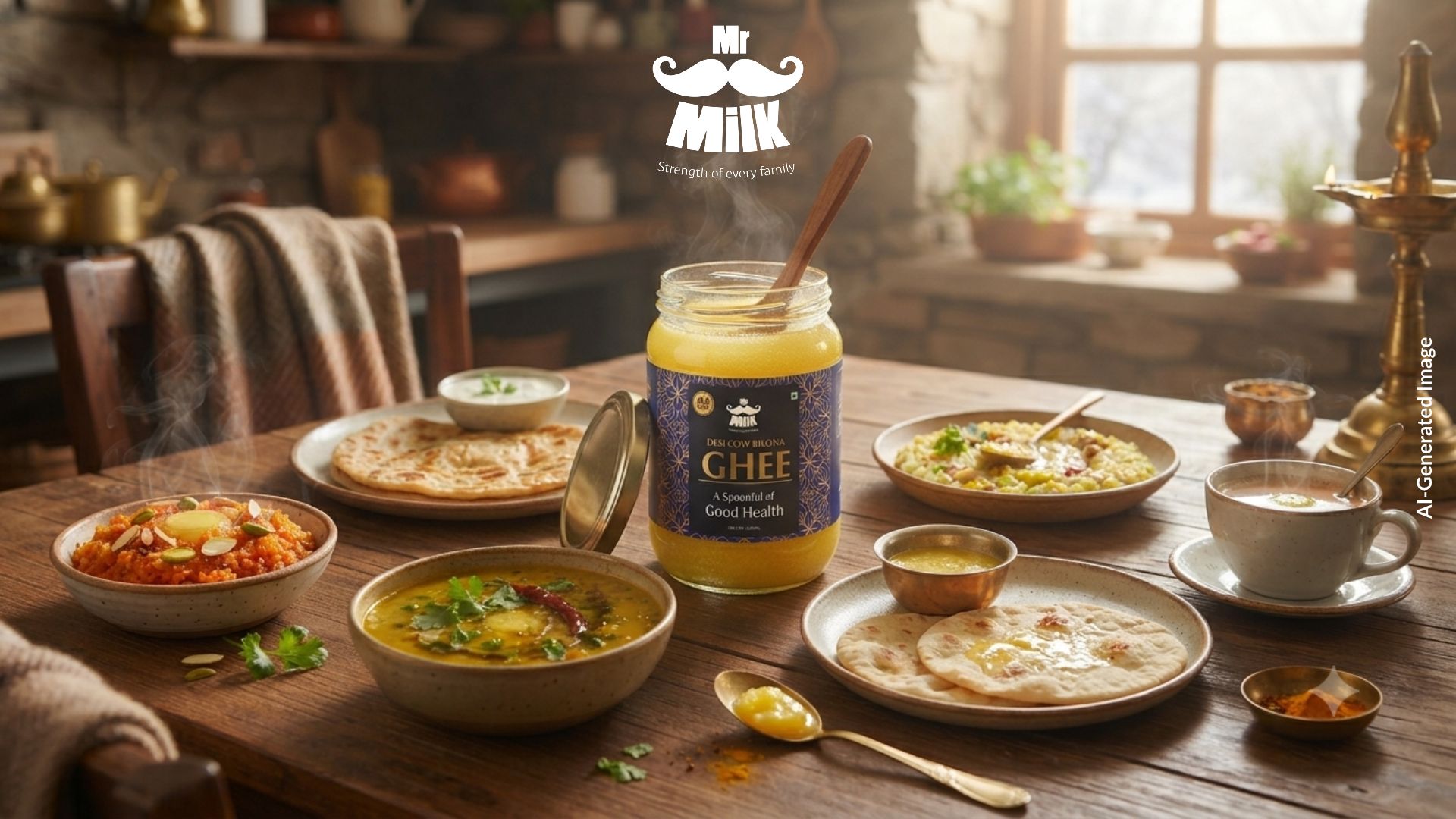
Traditional Indian winter foods are deeply connected to seasonal eating, regional traditions and family gatherings. From warming dals, khichdi and makki ki roti to gond ke ladoo, panjiri and festive sweets, winter brings familiar flavours back to Indian kitchens. Desi Cow Bilona Ghee has a special place in many of these preparations, adding richness and connecting everyday meals with generations of food traditions. These seasonal favourites are more than just dishes; they represent shared memories, family recipes and the joy of coming together around the dining table.
Key Highlights:
Traditional Winter Favourites: Explore Indian seasonal foods such as gond ke ladoo, panjiri, makki ki roti, sarson ka saag and warming khichdi.
Regional Food Traditions: Discover how different parts of India celebrate winter through their unique ingredients, recipes and cooking customs.
The Role of Desi Cow Bilona Ghee: Understand how traditional Bilona Ghee features in everyday winter meals, festive sweets and cherished family recipes.
Food That Brings Families Together: Celebrate the memories, shared cooking experiences and family traditions that make Indian winter meals special.
Winter in India brings more than cooler mornings and cosy evenings. It brings a change in the way families cook, eat and spend time together. Kitchens become busy with seasonal ingredients, traditional sweets and comforting meals that have been enjoyed across generations.
From gond ke laddoo in North India to undhiyu in Gujarat, sarson ka saag with makki ki roti in Punjab and warming regional preparations across the country, winter has its own food traditions. Many of these dishes are prepared at home, shared with family members and often made in larger quantities so everyone can enjoy them together.
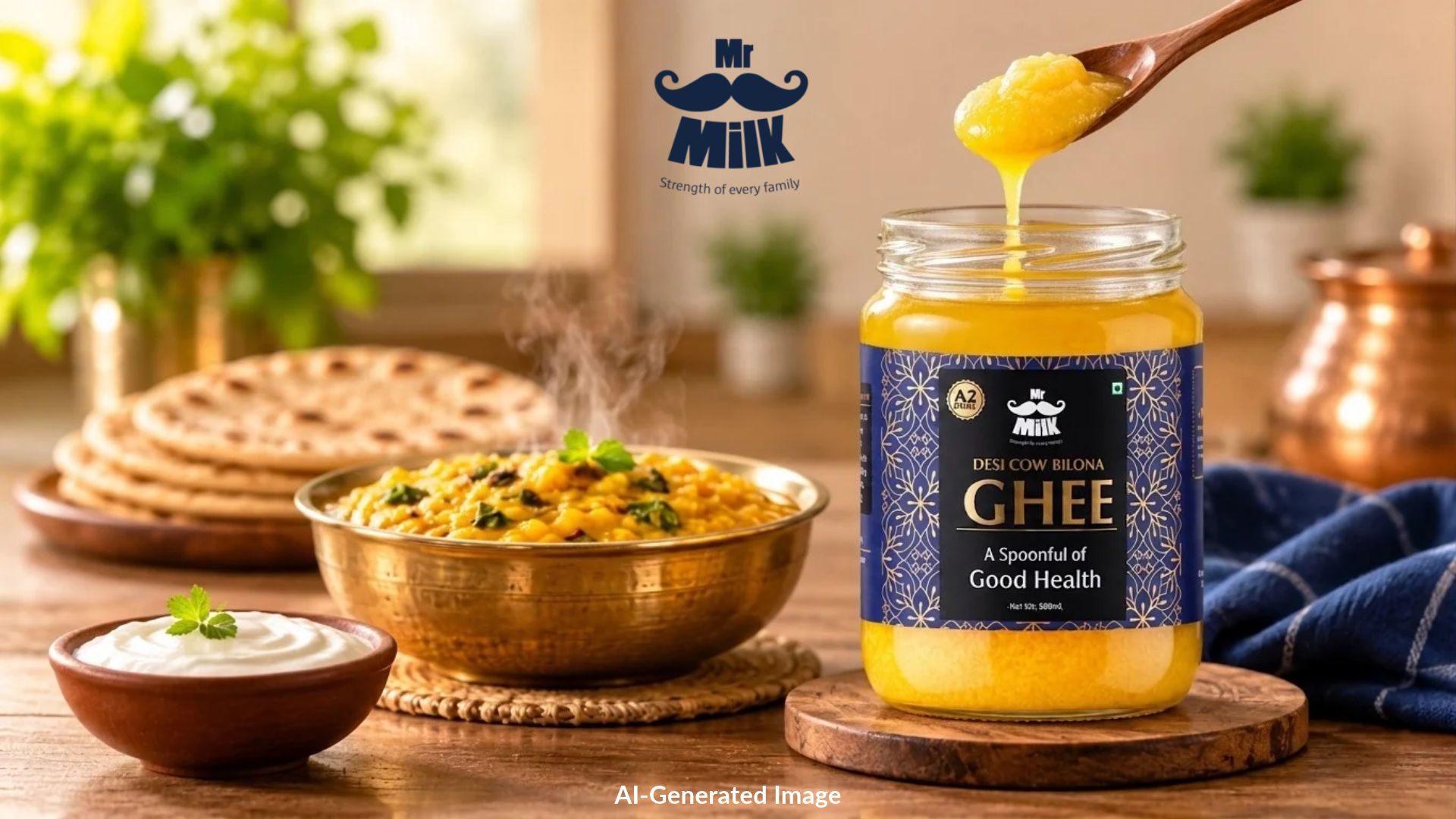
One ingredient that has held a familiar place in many Indian kitchens through these traditions is Desi Cow Bilona Ghee. Used in everyday meals as well as special seasonal preparations, it brings a distinctive richness to food and connects modern kitchens with traditional cooking practices.
Let's explore some of the winter foods and family traditions that make this season special across India.
1. Gond Ke Laddoo: A Winter Favourite Made for Sharing
In many North Indian households, winter preparations begin with the making of traditional laddoos. Gond ke laddoo, prepared using edible gum, flour, nuts, jaggery or sugar and ghee, are among the familiar seasonal favourites.
These laddoos are often made in batches at home. Family members may come together to roast ingredients, prepare the mixture and shape the laddoos while they are still warm. The process itself becomes a small family activity, with recipes and techniques passed down from one generation to another.
Desi Cow Bilona Ghee is commonly used in such traditional preparations to roast the ingredients and bring the mixture together.
Its rich aroma and flavour complement the nuts and other ingredients used in the laddoos.
2. Sarson Ka Saag and Makki Ki Roti: The Taste of a Punjabi Winter
Few combinations capture the feeling of a Punjabi winter quite like sarson ka saag and makki ki roti.
Prepared with mustard greens and other leafy vegetables, sarson ka saag is a seasonal favourite in many households. It is traditionally served with makki ki roti, often accompanied by jaggery, radish or other simple sides.
A spoonful of Desi Cow Bilona Ghee over a warm makki ki roti adds richness and brings out the familiar flavours of this comforting meal. It is a dish that is often enjoyed around the family dining table, especially when the weather turns cold.
More than just a seasonal meal, this combination reflects the close relationship between regional ingredients, traditional cooking and the changing seasons.
3. Undhiyu: Celebrating Winter's Seasonal Vegetables
In Gujarat, winter brings the much-loved tradition of preparing undhiyu. This mixed vegetable preparation brings together seasonal produce such as surti papdi, green peas, purple yam, sweet potatoes and other regional vegetables, along with aromatic spices and muthiya.
Undhiyu is often associated with family gatherings and festive occasions, particularly around Uttarayan. Its preparation can take time, with different vegetables cleaned, chopped, seasoned and cooked together.
Desi Cow Bilona Ghee can be used in the cooking process or as a finishing touch, depending on the household's preparation style. It adds a familiar richness while allowing the flavours of the seasonal vegetables and spices to remain at the centre of the dish.
4. Bajra Rotla and Traditional Winter Meals
Across parts of Rajasthan and Gujarat, bajra rotla is a familiar feature of winter meals. Made using pearl millet flour, this rustic flatbread is commonly served with garlic chutney, vegetables, jaggery or other traditional accompaniments.
A generous serving of Desi Cow Bilona Ghee on a freshly prepared bajra rotla is a simple way to enjoy this regional favourite. The combination reflects how Indian winter meals often rely on locally available grains and familiar cooking ingredients.
In many homes, such meals are not elaborate.
They are prepared with everyday ingredients, served warm and enjoyed together. That simplicity is often what makes them memorable.
5. Gajar Ka Halwa: A Sweet Tradition of Indian Winters
The arrival of fresh red carrots in winter markets brings with it the familiar aroma of gajar ka halwa being prepared in Indian kitchens.
Made by slowly cooking grated carrots with milk, sugar and other ingredients, this much-loved dessert is associated with winter evenings, family gatherings and festive celebrations.
Preparing gajar ka halwa is often a slow process. The carrots need time to soften and cook, and the mixture is stirred regularly as it thickens. Desi Cow Bilona Ghee is used in many traditional household versions to sauté the carrots and enrich the final preparation.
Whether served warm after dinner or shared with visiting relatives, gajar ka halwa is one of those seasonal desserts that brings a sense of nostalgia to the dining table.
6. Methi Laddoo and Other Regional Winter Sweets
Winter also brings a variety of traditional sweets prepared with ingredients such as methi, edible gum, sesame, jaggery, nuts and millets.
Methi laddoos, for instance, are prepared in several Indian households using roasted fenugreek seeds, flour, nuts and ghee. Other regional favourites include til laddoos, peanut chikki and preparations made with jaggery and sesame.
These sweets are often prepared at home in batches, particularly around seasonal celebrations. Desi Cow Bilona Ghee features in many of these preparations, helping bind ingredients and adding richness to the final texture.
Every region and family has its own version of these traditional foods.
The ingredients and methods may differ, but the practice of preparing and sharing seasonal sweets remains a familiar part of winter in India.
7. Khichdi and Warm Everyday Meals
Not every winter favourite needs to be part of a celebration. Some of the most comforting meals are simple dishes prepared as part of everyday family routines.
Khichdi, made with rice, lentils and mild spices, is one such familiar meal across India. Different regions and households have their own variations, with ingredients and accompaniments changing according to local preferences.
A little Desi Cow Bilona Ghee served over freshly prepared khichdi adds a layer of richness and flavour. The same can be enjoyed with dal-rice, warm rotis and other everyday meals.
These simple combinations remind us that traditional food practices are not limited to festive occasions.
They are also part of the everyday meals that families share throughout the season.
Desi Cow Bilona Ghee: A Familiar Part of India's Food Traditions
Across these regional dishes, one thing becomes clear: Indian winter food is closely connected to seasonal ingredients, family recipes and traditional cooking methods.
Desi Cow Bilona Ghee has been used in Indian kitchens for generations, finding its place in everything from everyday dal and rotis to festive sweets and seasonal delicacies. Its aroma, richness and versatility make it a familiar ingredient in many traditional preparations.
At Mr. Milk, our Desi Cow Bilona Ghee is prepared using the traditional Bilona method, beginning with curd rather than cream. We follow a small-batch approach to making our ghee, keeping the traditional process at the heart of its preparation.
As families continue to enjoy regional winter favourites, this traditional ingredient remains a meaningful part of the meals and food memories they create.
Bringing Winter Food Traditions to the Family Table
Every Indian region has its own way of welcoming winter through food. Some families look forward to homemade laddoos, others wait for seasonal vegetables and traditional meals, while many enjoy simple combinations such as hot rotis, dal and rice with a little ghee.
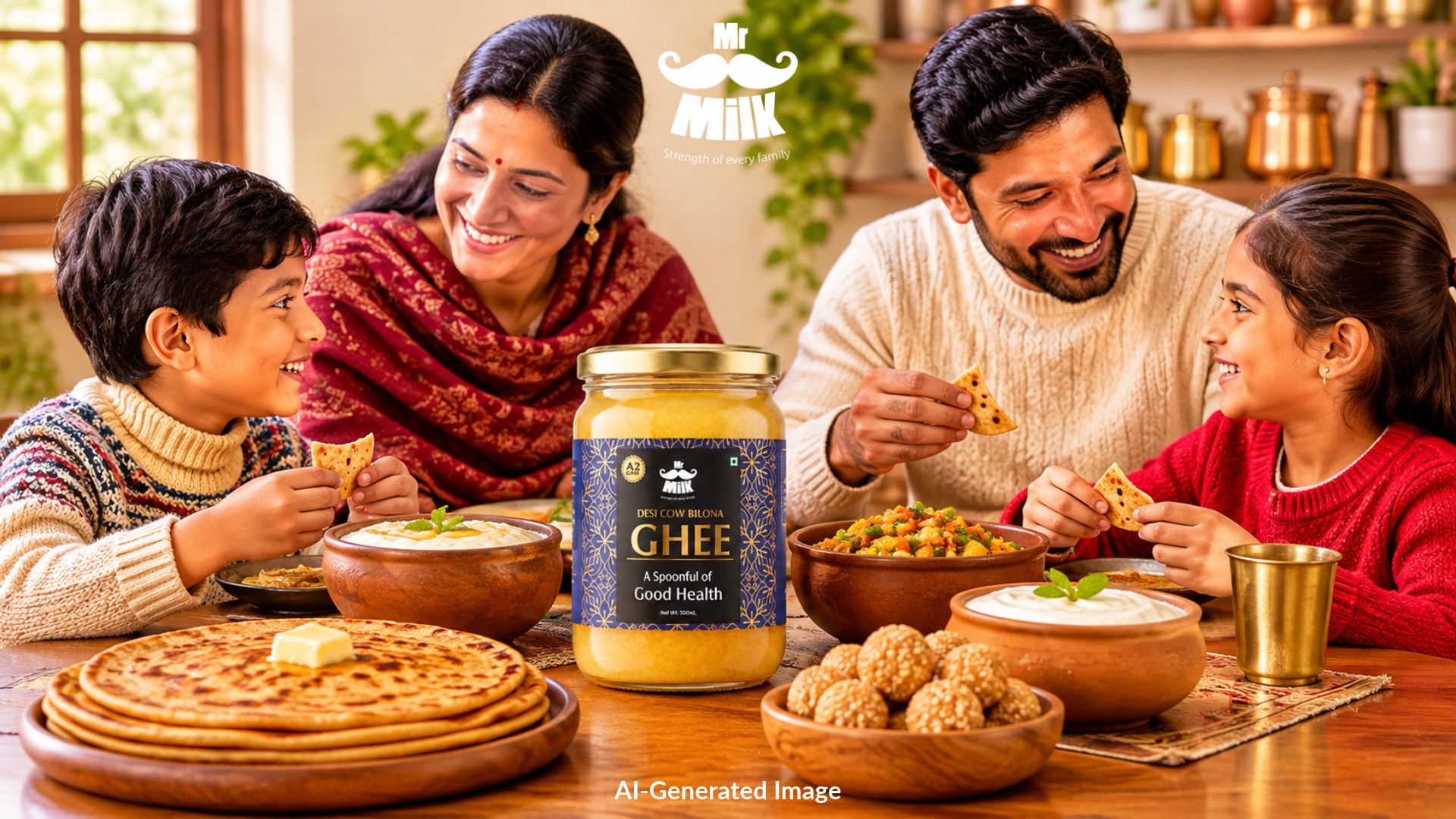
These dishes are more than seasonal favourites. They carry family memories, regional identities and cooking traditions that are shared across generations.
This winter, make time for the foods you grew up enjoying, try a traditional preparation from another part of India and bring everyone together around the dining table. Sometimes, it is these familiar flavours and simple meals that make the season truly special.
Enjoyed this article?
Experience authentic Bilona-crafted A2 Desi Cow Ghee — made the traditional way, delivered fresh to your door.
Frequently Asked Questions
Author
Shradhaa S Gokhale
Traditional dairy experts specialising in authentic A2 Desi Cow Ghee made using the ancient Bilona process. Passionate about farm-to-table nutrition, Ayurvedic food wisdom, and supporting indigenous Indian cow breeds.